A Timeline Of Atlanta’s Sound In Hip-Hop
- Atlanta's sound progressed through eras like bass, crunk, snap, trap, melodic rap, showcasing city's innovative spirit.
- Each generation of Atlanta artists broke new ground, from OutKast's 'Dirty South' to Migos' triplet flows.
- Birthday Bash 2026 celebrates 30 years of Atlanta's sonic legacy, a timeline of the city's transformative impact on Hip-Hop.
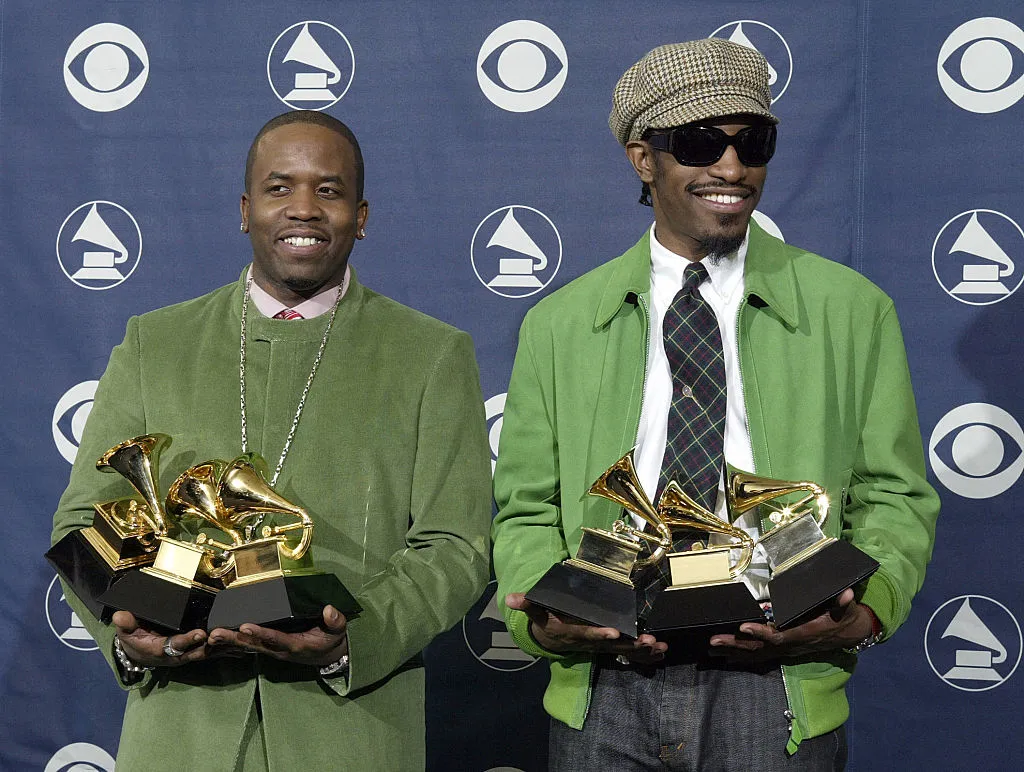
Atlanta’s Birthday Bash has always been bigger than a concert. For the city, Hot 107.9’s annual stage has long felt like a family reunion, a victory lap, a roll call and a reminder that Atlanta does not just participate in Hip-Hop — Atlanta helps steer it. Every summer, Birthday Bash becomes one of the clearest reflections of what the city is, what it has been and where it might be going next.
That feels especially true this year, with Birthday Bash ATL 2026 celebrating its 30th anniversary at State Farm Arena on May 24, 2026. The announced lineup is basically an Atlanta rap history lesson in real time, with T.I., Gucci Mane, 2 Chainz, Waka Flocka Flame, Soulja Boy, Travis Porter, Pastor Troy, Kilo Ali, YK Niece and more all attached to the bill. The event is framed as a night celebrating three decades of Birthday Bash, making this one less about a headliner and more about the city saluting itself.
That is what makes Birthday Bash such a perfect backdrop for this conversation. Atlanta has had so many stars, so many crews, so many labels, so many producers and so many movements that it can be easy to talk about the city like it has always sounded one way. But the truth is, Atlanta’s greatest gift has always been reinvention. Every few years, somebody from the city or its surrounding areas has found a new pocket, a new bounce, a new slang, a new flow or a new way to make the rest of rap catch up.
The Atlanta sound we hear now — melodic, trap-rooted, internet-ready, club-tested and globally copied — did not arrive overnight. Before the city became one of Hip-Hop’s biggest power centers, it had to fight for respect in a genre that once treated the South like an afterthought. Then OutKast got booed at the Source Awards and André 3000 told the world, “The South got something to say.” From there, Atlanta never really stopped talking.
What followed was a journey through bass music, Dungeon Family soul, crunk, snap, trap, ringtone rap, mixtape dominance, melodic street rap, futuristic weirdness, Quality Control polish and a new generation raised on all of it at once. Atlanta did not just build one sound. It built a system where the next sound is always right around the corner.
TIMELINE OF ATLANTA’S SOUND IN HIP-HOP
Late 1980s-Early 1990s: Bass, Booty Music & The Club Foundation
Before Atlanta became known as the capital of trap, the city was already moving to bass-heavy party music. Influenced by Miami bass and Southern club culture, early Atlanta rap leaned into fast drums, call-and-response energy, dance floors and neighborhood anthems. Artists like Kilo Ali helped give the city an early identity, bringing an electro-bass flavor that made Atlanta music feel loud, physical and built for cars, clubs and skating rinks. It was not yet the Atlanta sound the world would later recognize, but it gave the city its first real sonic backbone.
Early-Mid 1990s: So So Def, Pop-Rap & Atlanta’s Commercial Breakthrough
As Atlanta started finding its place in the industry, Jermaine Dupri and So So Def helped prove the city could make hits that traveled far beyond Georgia. Kris Kross brought Atlanta into mainstream pop-rap conversation, while Dupri’s production and label work helped build a bridge between Hip-Hop, R&B and radio. This era made Atlanta feel youthful, stylish and commercially viable. It also showed labels that the city had more than local flavor — it had stars.
1994-Late 1990s: Dungeon Family, Organized Noize & The “Dirty South” Soul
Then came the era that changed everything. OutKast, Goodie Mob, Organized Noize and the larger Dungeon Family gave Atlanta a sound rooted in funk, soul, live instrumentation, gospel feeling, street wisdom and country Southern imagination. These groups helped Atlanta earn recognition as “The Motown of the South,” while Organized Noize’s work blended soul and funk into a distinctly Southern Hip-Hop language. This was Atlanta getting serious, poetic and cinematic. OutKast made the city feel futuristic and country at the same time, while Goodie Mob made “Dirty South” feel like both a sound and a worldview. The beats were warm, the drums knocked, the lyrics had depth and the message was clear: Atlanta was not trying to sound like New York or Los Angeles anymore.
Late 1990s-Early 2000s: Crunk, Rage & The Sound Of The Club Exploding
As the Dungeon Family gave Atlanta its soul, crunk gave the city its riot. Lil Jon & The East Side Boyz, Ying Yang Twins, Pastor Troy and other pushed a louder, more aggressive sound built on chants, booming bass, rowdy hooks and moshpit energy before rap shows were commonly described that way. Crunk was not about subtlety — it was about command. It turned Atlanta into the soundtrack for fights, parties, football locker room, HBCU nights and clubs where the DJ needed the whole room to lose it.
Early 2000s: Trap Begins Taking Shape
By the early 2000s, Atlanta’s street rap started sharpening into what the world would come to know as trap. T.I. helped put the word in the mainstream with his 2003 album Trap Muzik, while Gucci Mane and Young Jeezy gave the sound different but equally important identities — Tip brought slick confidence and Bankhead storytelling, Jeezy brought snowman motivation and recession-era hustler sermons, and Gucci brought raw charisma, dark humor and underground influence. All three have strong claims as trap innovators. Sonically, trap was colder, heavier and more dangerous than the party records around it. The drums were sharper, the hi-hats moved faster, the synths felt darker and the subject matter lived in the tension between survival, ambition and consequence. This is where Atlanta’s sound started becoming the default language for modern rap.
Mid-2000s: Snap Music & The Ringtone Era
Just when Atlanta was getting darker with trap, it also got lighter with snap music. Dem Franchize Boyz, D4L, Fabo, Yung Joc and others helped push a minimalist club sound built around finger snaps, 808s, simple chants and dances everybody could learn. Snap music is commonly traced to early -2000s Bankhead, with records like “Laffy Taffy,” “Lean Wit It, Rock Wit It” and “I Think They Like” helping the sound cross into the mainstream. This era sometimes gets dismissed as too simple, but that simplicity was the point. Atlanta understood better than almost anybody that. a beat, a dance, a shirt, a phrase and a hook could become a movement. Snap made the city feel playful, viral before “viral” really meant what it means now, and perfectly built for the ringtone economy.
Late 2000s-Early 2010s: Futuristic Swag, Teen Clubs & The New Atlanta Party Sound
After snap music had Atlanta dancing, the city’s younger generation pushed that energy into the Futuristic era — a colorful, youthful wave built on skinny jeans, wild graphics, dance records, teen clubs, MySpace/YouTube buzz and hooks that felt made for school hallways, house parties and skating rinks. Rich Kidz, Travis Porter, J. Money, V.I.C., Roscoe Dash, Yung L.A., K Camp, F.L.Y. and others helped make Atlanta sound lighter, flashier and more playful without losing the city’s bounce. This was the era of songs like “Wassup,” “Make It Rain,” “All The Way Turnt Up,” “Swag Surfin’,” “Get Silly,” “Dey Know” adjacent energy and records that could move from local clubs to national radio fast. It may not always get treated with the same historical weight as trap or Dungeon Family, but the Futuristic wave was crucial because it showed how Atlanta could turn youth culture, fashion, dance and internet momentum into a full-blown sound.
Late 2000s-Early 2010s: Mixtape Trap, Brick Squad & Street-Rap Infrastructure
While the Futuristic wave had Atlanta’s teen clubs, parties and fashion scene in a chokehold, the city’s street rap scene was getting darker, louder and more dominant through the mixtape circuit. . Gucci Mane, Waka Flocka Flame, OJ Da Juiceman, Rocko, Shawty Lo, Gorilla Zoe and producers Zaytoven, Shawty Redd, Drumma Boy, Lex Luger and Southside helped make Atlanta’s street rap feel constant, raw and impossible to ignore. This was the era where trap got more chaotic and more industrial. Waka’s music made the club feel like a battlefield, Gucci’s mixtape run became a talent incubator, and Atlanta’s producers started shaping the drums everyone else would copy for the next decade. The sound was no longer regional — it was becoming the main operating system.
Early-Mid 2010s: Future, Young Thug & Melodic Trap Mutation
Then Atlanta got emotional and melodic. Future took Auto-Tune and turned pain, drugs, heartbreak, toxic love and ambition into stadium-sized trap blues. Young Thug bent his voice into an instrument, stretching words, melodies and flows until rap sounded less boxed in than ever. This era changed what a rapper could sound like. The bars still mattered, but tone, texture, melody and feeling became just as important. Atlanta was no longer only producing street anthems; it was producing vocal styles that would influence everybody from superstar rappers to pop artists.
2013-Late 2010s: Migos, Triplet Flows & Quality Control’s Takeover
With Migos, Atlanta gave the world another language. Quavo, Offset and Takeoff popularized a rapid, bouncing triplet flow that became one of the most copied cadences in modern rap. Alongside Quality Control, the group helped make Atlanta feel polished, flashy, global and still deeply rooted in the city’s trap DNA. This era was all about precision and momentum. The beats were clean but hard, the flows were athletic, the ad-libs became part of the rhythm and the hooks sounded designed for clubs, cars, arenas and social media all at once. Once Migos broke all the way through, it felt like every rapper in the world had to learn at least a little Atlanta.
Late 2010s-Early 2020s: Lil Baby, Gunna & The Streamlined Trap Superstar Era
By the late 2010s, Atlanta trap had become sleek, melodic and built for streaming dominance. Lil Baby brought urgency, clarity and everyman hunger, while Gunna leaned into smoother flows, luxury lifestyle rap and floating melodies. Young Thug’s YSL tree also became a major force, helping shape artists who made Atlanta rap feel stylish, fluid and commercially powerful. This era sounded less chaotic than early Brick Squad trap but just as influential. The drums still hit, but the flows were smoother, the hooks were cleaner and the stars felt built for both street respect and festival stages. Atlanta had fully transitioned from regional powerhouse to the center of rap’s mainstream.
Early-Mid 2020s: New Atlanta, Internet Rap & Genre-Blending
The newest Atlanta wave is harder to box in because the city’s younger artists grew up with every previous Atlanta era in their headphones at once. You can hear trap, pluggnb, rage, melodic rap, drill influence, scam rap energy, dance records, underground internet sounds and old-school Atlanta confidence colliding in real time. Artists like Latto, Destroy Lonely, Ken Carson, Anycia, Tony Shhnow, BabyDrill, Hunxho, YK Niece and others represent different corners of a scene that is still stretching. What makes this era interesting is that Atlanta no longer has to prove it belongs anywhere. The city can be street, weird, melodic, luxury, underground, nostalgic or futuristic depending on who is holding the mic. That freedom is the real legacy of Atlanta Hip-Hop: every generation gets to inherit the sound, then break it open again.
That is why Birthday Bash ATL 2026 feels like more than another concert. A 30th anniversary lineup with names like T.I., Gucci Mane, 2 Chainz, Waka Flocka, Soulja Boy, Travis Porter, Pastor Troy, Kilo Ali, Fabo, Ying Yang Twins and Goodie Mob is not just a show — it is a living timeline. It connects the bass era to Dungeon Family, crunk to snap, trap to mixtape dominance and the blog-era party sound to today’s Atlanta. More importantly, it reminds everybody that Atlanta’s sound was never one thing for too long. The city keeps changing because that is what Atlanta does: it turns neighborhoods into movements, slang into hooks, producers into architects and local moments into global sound.
A Timeline Of Atlanta’s Sound In Hip-Hop was originally published on hiphopwired.com




You May Also Like