Drake’s Iceman Isn’t Just an Album — It Might Be a Defining Moment
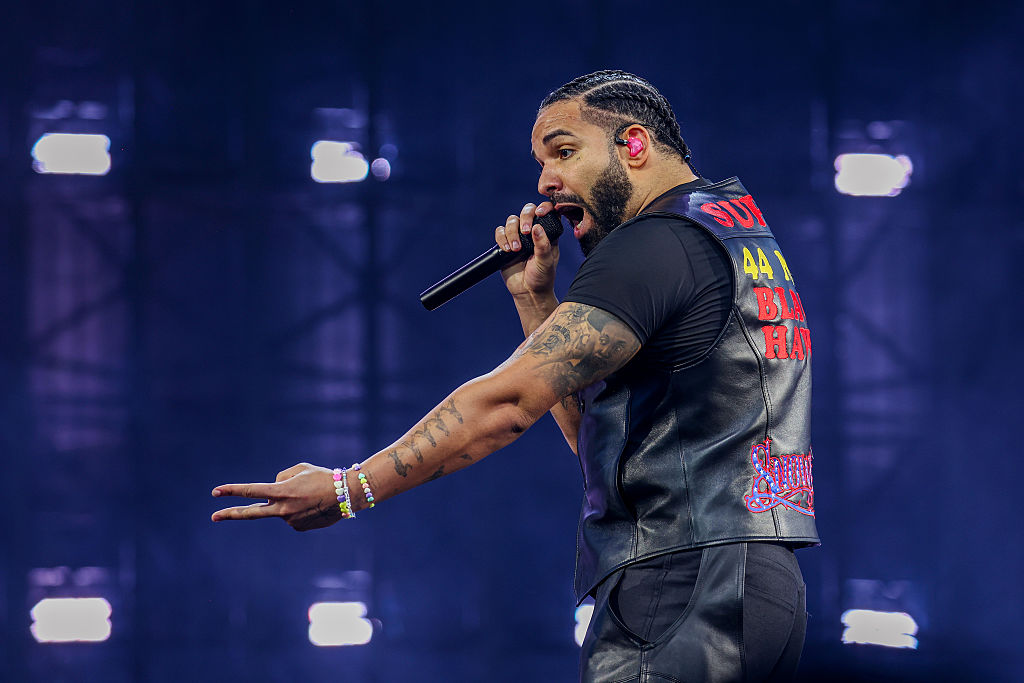
There are very few artists left who can stop the internet with an album announcement. Drake is still one of them. And that might be the most impressive thing about Iceman before anyone even debates whether it’s classic Drake, underrated Drake, or Drake trying to remind everybody exactly who he is.
Because let’s be honest: nobody experiences a Drake release casually anymore.
When Drake drops, people don’t just listen. They evaluate. They compare. They debate.
The timelines turn into think tanks. Group chats suddenly sound like podcast panels. People who swore they were “done with Drake” somehow still know the lyrics by the weekend. Love him or hate him, there’s something about a Drake release that still feels bigger than music.
And maybe that’s exactly why Iceman feels different.
Not because Drake suddenly changed. Not because expectations disappeared. But because for the first time in a long time, Drake is releasing an album while standing in front of something he rarely has had to face during his run at the top: real questions.
For over a decade, Drake existed in a category few artists ever reach. He wasn’t just popular — he felt inevitable.
Need a hit record? Drake had one. Need a late-night anthem? Drake had three. Need captions for heartbreak, confidence, toxicity, luxury, revenge, success, or situationships you probably shouldn’t go back to? Somehow, Drake already wrote the soundtrack.
At one point, it almost felt impossible to imagine music culture without him at the center. And maybe that’s why this moment feels so important.
Because somewhere along the way, the conversation shifted.
The question stopped being, “Can Drake make another hit?” And quietly became: “Does Drake still feel untouchable?”
That’s not hate. That’s not disrespect. That’s what happens when you spend over a decade setting impossible expectations for yourself.
Success changes the way audiences listen. Fans don’t just want good music anymore — they want moments. They want honesty. They want hunger. They want to feel like an artist still has something to prove.
And whether people want to admit it or not, that’s part of what makes Iceman so fascinating.
This album arrives after one of the loudest cultural moments in hip-hop in recent memory. Conversations around competition, legacy, respect, and positioning suddenly became unavoidable. Everybody had opinions. Everybody picked sides. And for maybe the first time in a very long time, Drake wasn’t universally viewed as the guy controlling the entire narrative. That matters.
Not because artists need controversy to stay relevant. But because pressure has always created interesting versions of Drake. Think about it.
Some of Drake’s strongest moments didn’t happen when he sounded comfortable. They happened when he sounded challenged. When there was tension in the music. When confidence mixed with insecurity. When arrogance sat right beside vulnerability.
That’s always been the formula.
Drake mastered something few artists ever truly figure out: making confidence and self-doubt exist in the same sentence.
One record sounds like motivation. The next sounds like regret. One minute he’s reminding everybody why he’s him. The next, he sounds like somebody replaying a text message at 2 a.m. wondering where things went wrong.
And somehow, listeners connected with both versions.
That duality is why Drake has lasted as long as he has.
People don’t just listen to Drake for bars. They listen for reflection. For validation. For ego. For emotion. For memories.
Every Drake era feels tied to somebody’s real life. A breakup. A glow-up. A late-night drive. A season you can’t quite explain but somehow remember through music.
That’s a level of connection streaming numbers can’t fully measure.




You May Also Like