How touring artists actually move their concert equipment
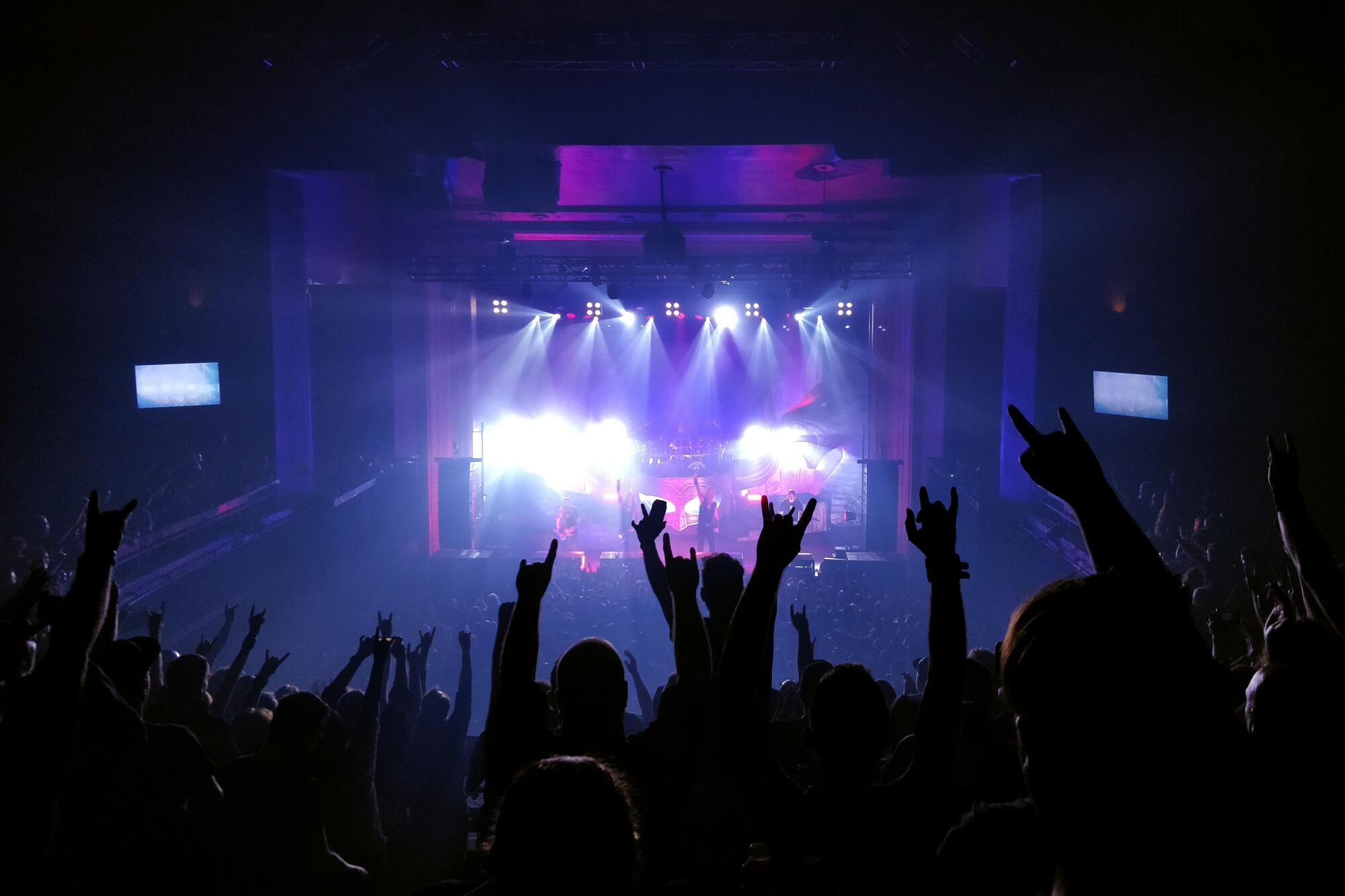
Touring acts move concert equipment through coordinated fleets of dry van and hydraulic drop deck trailers, with strict timing rules and 100-person crews handling load-in.
Behind every big stadium show, there’s a hidden freight operation with logistical systems rivaling those of a military operation. Taylor Swift’s Eras Tour was, according to Trucking Dive, backed by 90 semi-trucks responsible for hauling concert equipment like lighting, costumes, and instruments between cities, with Denver-based specialty carrier Shomotion handling the structural transport.
Smaller acts have to work with less, but the principle remains the same. A live show is a complex affair that depends on hundreds of pieces of specialist equipment, and that equipment needs to get there on time and in the correct condition.
The Vehicles Behind Concert Equipment Logistics
Most touring productions move concert equipment in 53-foot dry van trailers fitted with the following:
- E-track
- Load bars
- Ratchet straps
- Ramps for fast loading
For heavier pieces such as lighting trusses and stage decking, crews often use a hydraulic drop deck trailer, where the deck lowers to the ground and allows forklifts to roll cargo straight onto the truck without needing ramps. Smaller operations might use cargo vans or 26-foot box trucks to haul equipment.
Larger arena and stadium tours typically require fleets of 40 or more vehicles moving in coordinated convoys overnight.
How Live Performance Equipment Gets Packed
Every piece of live performance equipment travels in a custom road case, usually built from plywood with steel corners. On the inside, there’s protective foam, and rubber wheels are mounted on the bottom.
Easy identification matters because heavy items need to go on the floor of the truck, with more fragile gear sitting at chest height. Putting the equipment in the truck in the correct order ensures the load doesn’t shift during transit and damage essential gear.
A reasonably sized tour will pass through multiple climates. Wooden instruments like guitars or synthesizers with analog electronics can suffer in extreme cold or heat. Drivers running long hauls in summer or winter will often park in shaded yards or use insulated trailers.
The Clock That Governs Musician Gear Transport
Transporting gear for live shows runs on a tight schedule. Under the federal Hours of Service rules, property-carrying drivers can drive for a maximum of 11 hours after 10 consecutive hours off duty, with a 14-hour daily on-duty window.
Concert Gear Setup and Teardown
Setting up a live show at a major venue typically takes a full day with a crew of over 100 people. First, the riggers go up to hang motors from the ceiling. Then, the sound and lighting teams build out the rig before the video and backline follow.
The audience might only see a couple of hours of performance, but this takes a sizeable crew 24 hours to put together and tear down.
Why Band Equipment Travel Makes the Show Possible
Live shows rely on a complex logistics network to get concert equipment from one city to another, and it requires a crew of committed, knowledgeable professionals to set the gear up every night and then tear it down again. Without this complex network of transportation and technicians, stadium shows simply wouldn’t be possible.
Dive into our website to explore content that will inform, inspire, and keep you coming back for more.
- The Business Bombshells Have Entered The Villa! A Gallery Of Bag-Securing Baddies, Mogul-Minded Mavens & Dynamic Divas Who Stunned At Invest Fest 2026
- Freedom 250 Grand Prix Road Closures: What DC Drivers Need To Know
- Rihanna Reigns As Crop Over Queen + 33 Gorgeous Gyals Who Set Di Barbados Road Ablaze



You May Also Like