Plan your next home improvement project with long-term value in mind
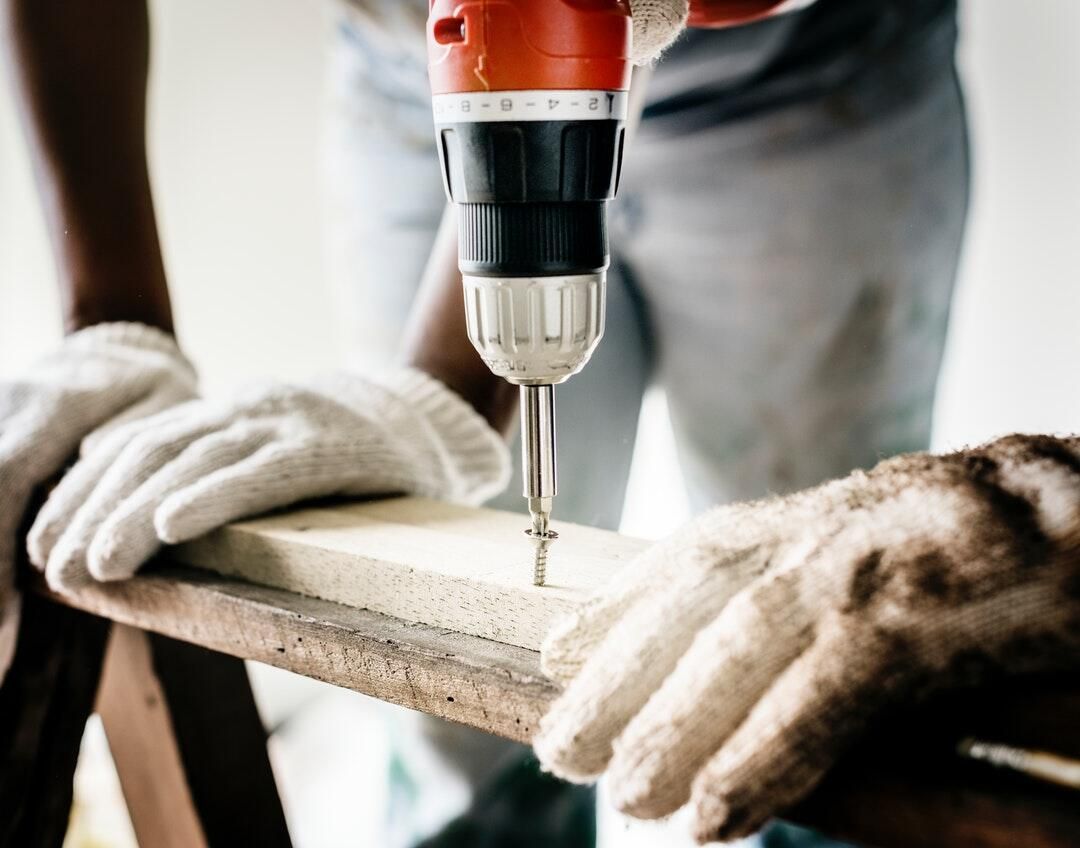
You can ensure your next home improvement project has lasting benefits by focusing on essential repairs and system upgrades, followed by projects that enhance versatility and durability, ensuring these additions provide lasting usefulness and are easy to maintain.
Almost half of all American homeowners plan to renovate their homes this year, according to the 2026 Houzz & Home Study. For 36% of them, financial readiness triggered their renovation plans.
If it has for you too, you may be tempted to focus on the visually appealing upgrades you’ve been dreaming of. However, you can ensure long-term value if your renovation improves daily comfort while reducing future operating and maintenance costs. Ultimately, when selling, you’ll want a positive return on investment, so ensure your upgrades will also appeal to future buyers.
What Are High-Value Home Improvement Projects?
Your home is a significant investment, and value-adding home improvements can build equity faster, making it more desirable than comparable properties. Some high-value improvement projects include:
- Exterior Upgrades: Enhance curb appeal and offer practical benefits such as security and weather protection.
- HVAC and Water Heating: Upgrading to a heat-pump water heater saves money and lasts longer than a standard electric water heater.
- Storage: Increases functionality without major renovations.
- Kitchen and Bathroom Upgrades: Once within project scope, these improve livability and buyer appeal.
- Functional Spaces: Transforming your basement or attic into livable areas can address space limitations while increasing home value.
- Energy Efficiency: Making eco-friendly choices lowers utility expense and improves comfort.
According to ENERGY STAR, replacing old windows with certified alternatives can lower household energy bills by 12%.
How to Plan Your Next Home Improvement Project With Long-Term Value in Mind
Strategic home remodeling involves defining your core goals and prioritizing needs over wants. Forego chasing trends and instead evaluate your upgrades according to long-term value:
Start With Essential Needs
Addressing the repairs and system improvements your home needs is a practical place to start, as they help prevent costly damage. Essentials typically include:
- Roofing
- Drainage
- Insulation
- HVAC and plumbing
- Windows and structural issues
When these are in good working condition, it indicates a home is well-maintained.
Focus On Versatility and Durability
With the essential updates complete, your next home improvement project should focus on versatile and durable cosmetic upgrades. These can include exterior projects, such as a garage or front door replacement. You can also consider minor kitchen and bathroom upgrades, including updated fixtures or refreshed cabinets.
Let Utility and Maintenance Costs Be Your Guide
When deciding on the best value-adding long-term home upgrades, prioritize usability and ease of maintenance. A smart home renovation can improve energy efficiency, making your home more comfortable and less expensive to own over time.
Create a Value-Rich Project Plan
Staying within project scope starts with establishing a realistic budget with a contingency reserve. Obtain multiple estimates before choosing a contractor and verify their references, licensing, insurance, and warranties. Reputable companies like Unified Home Remodeling can provide you with home renovation advice, ensuring you get the upgrades that are best for you.
An Investment That Ensures Current and Future Value
A home improvement project should offer protection, functionality, efficiency, and buyer appeal. Assessing your home’s needs, defining your goals, and investing strategically can help ensure you achieve this.
We have many lifestyle articles that can guide you through your next project.




You May Also Like





