First car checklist for new drivers and young adults
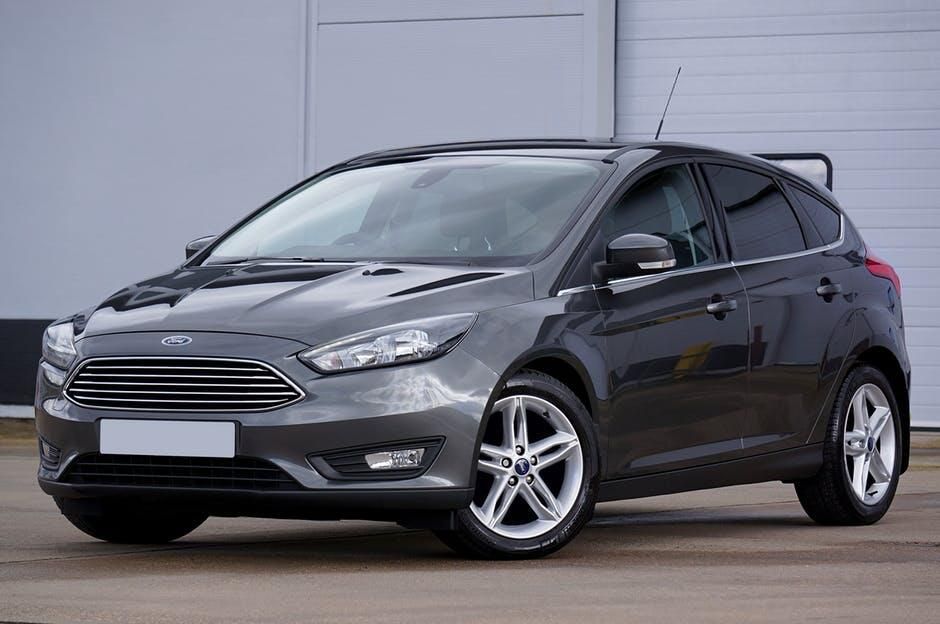
Choosing a first car involves more than finding a vehicle that fits the budget. A solid first-car checklist covers safety features, reliability, maintenance history, insurance, and other ownership costs before any decision gets made.
Getting your first car comes with a new level of responsibility alongside the excitement. A June 2026 Mercury Insurance survey found that 59% of Gen Z adults consider driving essential to their daily lives, while 54% say they would struggle to maintain their current lifestyle without access to a vehicle.
A new driver can easily focus on the purchase price and overlook everything that comes afterward. Knowing what to check before buying, and what to stay on top of after, makes the difference between a car that serves you well and one that drains your budget from the start.
How Much Should New Drivers Spend on a First Car?
A first car doesn’t need to be expensive to be dependable. Every new driver should set a budget based on what they can comfortably afford after accounting for insurance, fuel, maintenance, registration, and unexpected repairs.
A cheap vehicle with a poor maintenance history can cost more in repairs than a reliable used car with documented service. A slightly higher upfront cost on a well-maintained model often pays off quickly.
Before making an offer, leave room for an independent inspection and some savings for repairs. Keeping those costs in mind makes it easier to choose a car that stays affordable after the excitement wears off.
What Safety Features Should New Drivers Look For?
Safety deserves more attention than appearance or performance when choosing a first car. Every driver’s license comes with the responsibility of understanding what keeps a vehicle safe, and modern cars offer features that help prevent crashes and reduce injury severity when collisions occur.
Useful safety features include:
- Anti-lock braking systems
- Electronic stability control
- Multiple airbags
- Rearview cameras
- Automatic emergency braking
- Blind spot monitoring
- Lane departure warnings
- Forward collision warnings
New drivers should also check crash test ratings and confirm that safety equipment is working properly. A well-maintained vehicle with strong safety credentials gives inexperienced drivers a meaningful margin of protection while they build confidence behind the wheel.
How Can New Drivers Tell If a Car Is Reliable?
A safety rating covers crash performance. Reliability covers everything in between. A first-time driver should look at maintenance history, mileage, previous repairs, and any recurring mechanical problems before buying.
Important things to check:
- Service records and maintenance history
- Tire and brake condition
- Engine and transmission performance
- Warning lights or dashboard alerts
- Signs of fluid leaks
- Previous accident or major repair history
Ford manuals give Ford owners model-specific guidance on maintenance, repairs, and vehicle systems, helping new drivers stay ahead of routine work before problems appear.
The First Drive in the Right Car
Your first drive should happen in a car that fits your budget, holds up mechanically, and keeps you safe. Taking time to check history, safety equipment, and overall condition before buying eliminates most of the costly surprises that catch first car owners off-guard.
Keep exploring our website for more stories, local insights, and helpful advice for navigating everyday life.




You May Also Like





