Black Music Month is here, and it’s time to celebrate the musical trailblazers who paved the way for Black artists across genres, and the protégés who continue pushing the culture forward.
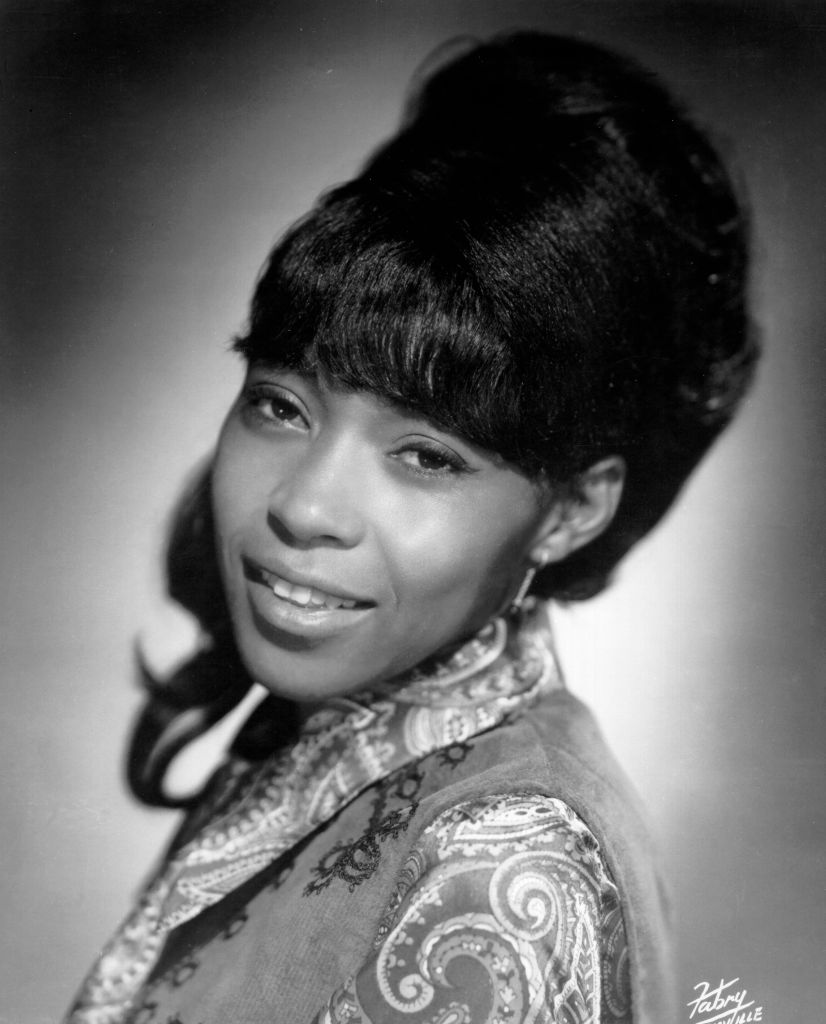
Source: Linda Martell/ Michael Ochs Archives / Getty
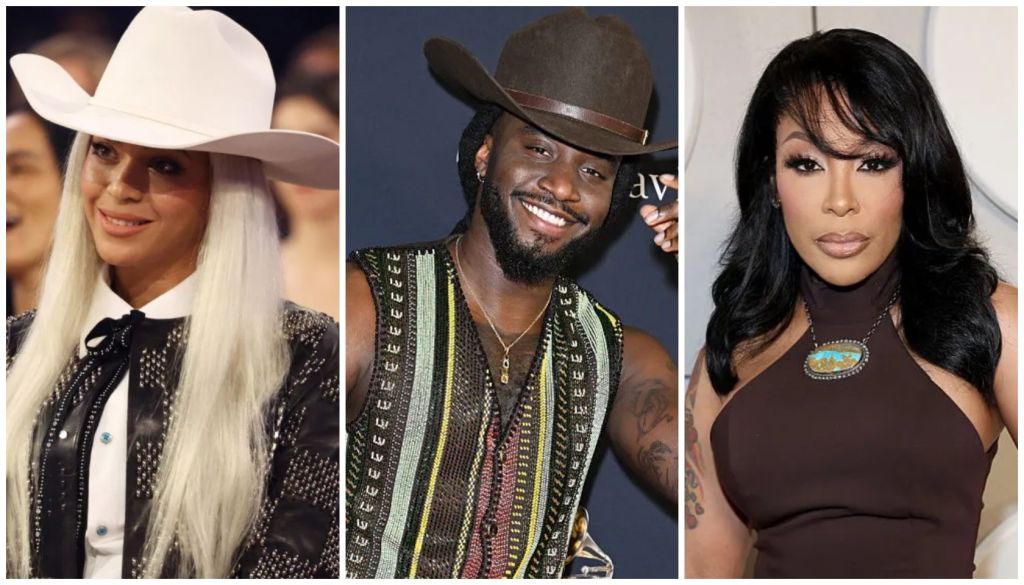
Today, we’re shining a light on country music, a genre that, in recent years, has revealed deep and often overlooked Black roots. Beyoncé, K. Michelle, Linda Martell, and Shaboozey are just a few icons who are making sure Black history within the genre is never forgotten.
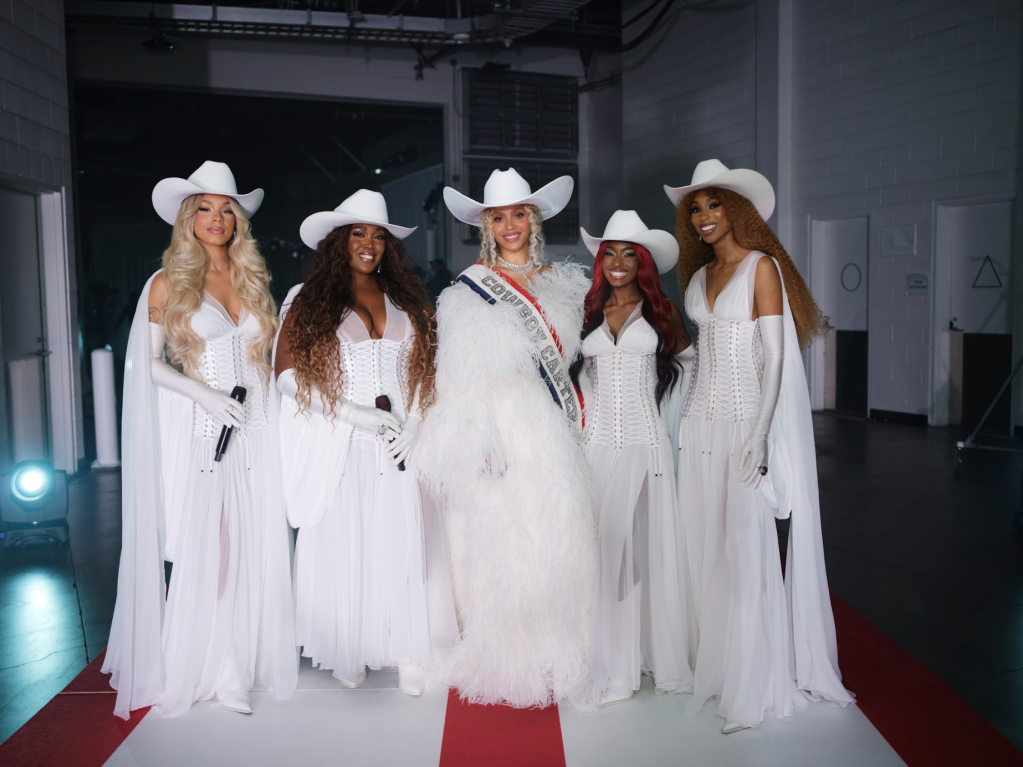
Beyoncé helped to push the history of Black Country Music back into the forefront.
When Beyoncé released Cowboy Carter in 2024, fans around the world found themselves embracing country music through standout tracks like “TEXAS HOLD ’EM” and “BLACKBIIRD.” But beyond the chart success and viral moments, the album sparked a larger conversation about country music’s roots and who has helped shape the genre over the years. Following Beyoncé’s historic Grammy wins for Best Country Album and Album of the Year, many listeners began asking an important question: Was Black country music a thing long before Cowboy Carter? The answer is a resounding yes.
Source: Julian Dakdouk / Julian Dakdouk
In fact, Black artists have been instrumental in the evolution of country music for generations. Country music, a genre born in the rural South and West of the U.S. in the early 20th century, is recognized for its simple harmonies, narrative lyrics, and the use of stringed instruments such as guitars, fiddles, banjos, and pedal steel, Merriam-Webster notes.
According to the Jacksonville Music Experience, melodies of early Southern country music were heavily influenced by hymns from Black churches, while the playing styles were shaped by Black musicians. Over time, the genre absorbed elements of blues and jazz, and new instruments like the guitar and fiddle were incorporated, laying the foundation for what we now recognize as country music.
Many Black pioneers paved the way in country music, artists we have to thank for shaping the genre. Several emerging stars continue to carry the torch today. Here’s a look back at the evolution of Black country music.
DeFord Bailey – Country Music’s First Trailblazer
One of the genre’s earliest trailblazers was DeFord Bailey, born in 1889 in Smith County, Tennessee. Raised in a farming family, Bailey became known for his iconic harmonica playing and is widely regarded as the first Black country artist. Per the Country Music Hall of Fame, his musical roots ran deep. He was the grandson of a fiddler and grew up in a household that embraced “Black hillbilly music,” a genre that fused elements of both Black and white rural traditions. Bailey’s musical education began in church, where he learned hymns, and from there he honed his skills by mimicking the sounds of nature: the rhythm of passing trains, the howls of hounds chasing foxes, and the cacophony of animals on the farms where he worked.
Bailey’s talents soon earned him radio airtime, and his big break came in 1927 when the WSM Barn Dance was spontaneously renamed during a broadcast. The program, which had previously focused on classical music, made an intentional shift toward showcasing “realism.” Bailey was introduced by announcer George Hay, who famously declared, “For the past hour, we have been listening to music largely from Grand Opera, but from now on, we will present The Grand Ole Opry.” This moment marked the birth of the Grand Ole Opry, one of the most iconic country music shows in history, and Bailey played an instrumental role in shaping its future.
Bailey quickly became a staple of the Opry, earning the nickname “The Harmonica Wizard” for his dazzling performances. His renditions of songs like “Fox Chase” and “Pan American Blues” became legendary, showcasing his ability to mimic train whistles, animal calls, and other sounds of rural life. In 1932, as WSM expanded its broadcast power to 50,000 watts, Bailey’s music reached a wider audience, from the East Coast to the Rocky Mountains, inspiring countless harmonica players, both Black and white.
DeFord Bailey’s contributions to country music were groundbreaking, and his influence continues to be felt today. His early work not only helped shape the sound of country music but also laid the foundation for future generations of Black artists to break into the genre and leave their mark on its rich history.
Linda Martell – The First Commercially Successful Black Woman Country Music Artist
Linda Martell is often celebrated as one of the first Black women to make a significant impact in country music, a genre that was predominantly white during her rise to fame. Born in 1941, she made history in the late 1960s with memorable hits like “Color Him Father” and “Bad Case of the Blues.”
Martell made a groundbreaking achievement in 1969 when her hit single, “Color Him Father,” reached #22 on the Billboard Hot Country Singles chart, making her the first commercially successful Black woman to break through in country music. According to her website, this made her the highest-charting Black female country artist at the time, a record she held until Beyoncé’s “TEXAS HOLD ‘EM” debuted at #1 on Feb. 21, 2024.
Growing up in South Carolina, Martell’s musical journey began with family performances before she was discovered as a solo act at the Charleston Air Force Base. She moved to Nashville in 1969, where she released her debut single, which charted in the Top 25 that same year. This success paved the way for her only album, Color Me Country, which made its way into the Top 40 of the Billboard Top Country Albums chart. The album featured three charting singles and earned praise from Billboard for its authenticity.
Color Me Country led to high-profile opportunities, including appearances on Hee Haw and package shows with country legends like Waylon Jennings and Hank Snow. In 1969, Martell became the first Black woman to perform on the Grand Ole Opry stage, a groundbreaking moment that opened doors for other Black artists in the country music scene. She went on to do a total of 12 performances for the iconic venue and radio station.
Although Color Me Country was widely regarded as a success, Martell’s rise in country music was continually overshadowed by racism. At nearly every live performance, audience members hurled racial slurs and hateful remarks, serving as a constant reminder that she was navigating a genre overwhelmingly dominated by white artists and white male music execs, her website notes. When her final single, “Bad Case of the Blues,” failed to gain traction, her label gradually withdrew its support, and she found herself effectively blacklisted by the Nashville establishment. Disillusioned and exhausted by years of discrimination and industry resistance, Martell made the heartbreaking decision to leave both country music and Nashville in 1974.
Although her career was relatively brief, Martell’s courage and pioneering spirit made her a trailblazer for future generations of Black women in country music. Beyoncé paid tribute to Martell’s legacy on Cowboy Carter by featuring the icon on two tracks: “Spaghettii,” alongside Shaboozey, and “The Linda Martell Show.” Both songs include spoken word commentary from the music legend.
Martell, now 84, thanked Bey for the opportunity on Instagram in 2024, writing:
“I am proud that @beyonce is exploring her country music roots. What she is doing is beautiful, and I’m honored to be a part of it. It’s Beyoncé, after all! – Linda.”
Charley Pride: The First Black Country Artist Inducted Into The Country Music Hall Of Fame
Few artists embody the groundbreaking spirit of Black country music like Charley Pride. Before becoming one of country music’s biggest stars, Pride had dreams of making it in music and took an early shot at stardom in 1958. He recorded a demo at Memphis’ legendary Sun Studio, armed with nothing but his guitar and determination. One of the songs he recorded was “There’s My Baby (Walkin’),” a reworking of The Diamonds’ 1957 pop hit, “The Stroll.”
It wasn’t until the 1960s that Pride found his true musical home in country music. His rich baritone voice and natural storytelling ability made him a standout performer with hits like “Kiss an Angel Good Mornin'” and “Is Anybody Goin’ to San Antone?”
It was an amazing feat because when Pride first began his country music career, the industry wasn’t exactly prepared for a Black country star. His debut single, “Snakes Crawl at Night,” arrived in January 1966, and RCA Records initially kept his race a secret from country radio disc jockeys, according to the Country Music Hall of Fame website. It wasn’t until his third single, “Just Between You and Me,” broke into the country Top 10 that many listeners learned the singer behind the voice was Black. In fact, for countless fans, seeing the cover of his gold-selling debut album, Country Charley Pride, was the first time they realized it.
Despite the industry’s hesitation, Pride never questioned where he belonged. During a 1968 concert at Panther Hall in Fort Worth, Texas, he addressed the curiosity surrounding his success in country music.
“I get a lot of questions asked me…’Charley, how’d you get into country music and why you don’t sound like you’re supposed to sound?'” Pride told the audience. “It’s a little unique, I admit. But I’ve been singing country music since I was about five years old. This is why I sound like I sound.”
What some viewed as an obstacle quickly became part of Pride’s groundbreaking story. His talent was undeniable, and audiences embraced his warm baritone voice and authentic storytelling. Over the course of his career, he racked up more than 43 No. 1 country hits, including classics such as “Kiss an Angel Good Mornin’,” “Is Anybody Goin’ to San Antone,” and “All I Have to Offer You (Is Me).” During his peak years from 1969 to 1975, Pride became RCA Records’ best-selling artist, even outselling music giants like Elvis Presley.
His achievements continued to make history. Pride earned three Grammy Awards, including Best Country Vocal Performance, Male in 1972, along with two gospel Grammy wins. In 2017, he received the Grammy Lifetime Achievement Award in recognition of his extraordinary impact on music. He also became the first artist of any race to win the Country Music Association’s Male Vocalist of the Year award in consecutive years, and later became the first Black artist to co-host the CMA Awards in 1975. Pride was officially inducted into the Country Music Hall of Fame in 2000, making him the first African American to receive this prestigious honor.
Looking back on his remarkable career, Pride reflected on what made him different and what ultimately made him a legend.
“What came from my throat was my voice, no one else’s,” he wrote in his autobiography. “No one had ever told me that whites were supposed to sing one kind of music and blacks another—I sang what I liked in the only voice I had.”
That simple philosophy helped Charley Pride break barriers, redefine expectations, and secure his place as one of the most influential artists in country music history.
Ray Charles: The Soul Genius Who Bridged Two Worlds
When discussing the evolution of Black country music, it’s impossible to overlook Ray Charles. Although he is best known as a pioneer of soul and R&B, Charles helped introduce country music to audiences who may have never given the genre a chance.
In 1962, Charles released the groundbreaking album Modern Sounds in Country and Western Music, a project that blended soul, gospel, and country influences in a way that had never been done before. The album became a massive commercial success, spending 14 weeks atop the U.S. Pop Albums chart and proving that country music could resonate far beyond its traditional audience.
His interpretations of classics like, “I Can’t Stop Loving You” and “You Are My Sunshine,” transformed familiar country songs into emotional masterpieces. Charles didn’t just cross genres; he helped erase the lines between them, leaving a lasting impact on both country and soul music.
K. Michelle – Bridging The Gap Between Country Music And R&B
After years of captivating R&B fans with hits like “V.S.O.P.” and “Can’t Raise a Man,” singer and reality TV star K. Michelle officially made her long-anticipated transition into country music in 2025. Having spoken for years about her desire to move from R&B to country music, she finally launched her country music career with the release of her debut country single, “Jack Daniel’s,” in August 2025. Co-produced by Kristian Bush, the smoky and soulful track centers on the whiskey brand as the “only man she trusts” and was first performed live at CMA Fest after she signed with BBR Music Group, according to the website.
“This is me coming home,” K. Michelle said at the time of the song’s release. “Country is in my blood. I was raised on southern soil in Memphis, Tennessee, where soul and country grew from the same roots. This new music is a celebration of where I come from—the pride, the bittersweet and the whiskey-soaked truth of it all.”
Before her official country debut, K. Michelle had already begun exploring the genre with “Tennessee,” a country-inspired bonus track released in 2023 on her final R&B album, I’m the Problem. She also collaborated with Jelly Roll on a duet cover of the classic Judds song, “Love Can Build a Bridge,” further cementing her legacy in Black country music.
Mickey Guyton: A Voice For A New Generation
Fast forward to the modern era, and Mickey Guyton has become one of country music’s most important voices. Born in Arlington, Texas, Guyton entered the scene with the heartfelt single “Better Than You Left Me,” but her influence extends far beyond her music.
In 2020, following the tragic death of George Floyd, Guyton released “Black Like Me,” a deeply personal song that explored her experiences as a Black woman navigating both America and the country music industry. The song resonated with listeners across genres and sparked important conversations about race and representation in country music.
Guyton continued making history in 2021 when she became the first Black woman to host and perform at the Academy of Country Music Awards. That same year, she became the first Black female solo artist to earn a Grammy nomination in a country category for Best Country Solo Performance.
Through her music and advocacy, Guyton has helped push country music toward a more inclusive future while inspiring a new generation of artists to tell their own stories.
Shaboozey: The New Face Of Country’s Future
If Charley Pride helped break down the door and Mickey Guyton pushed it wider open, Shaboozey has come charging through it with a fresh vision for what country music can be.
Born Collins Obinna Chibueze to Nigerian immigrant parents, Shaboozey has built a sound that effortlessly blends country, hip-hop, Americana, and rock. Rather than fitting into a traditional mold, he has embraced his multicultural identity, famously calling his unique background his “superpower” in country music.
Although he had been steadily releasing music since the 2010s, 2024 marked his mainstream breakthrough. His smash hit “A Bar Song (Tipsy)” became a cultural phenomenon and propelled him into the history books.
Shaboozey became the first Black male artist to simultaneously top the Billboard Hot 100 and Hot Country Songs charts. The song spent an astonishing 19 weeks at No. 1 on the Hot 100, tying the record for the longest-running No. 1 hit in Billboard history and setting a new benchmark for solo artists.
His success didn’t stop there. He earned his first Grammy Award for Best Country Duo/Group Performance alongside Jelly Roll for their collaboration “Amen.” He has also won three Billboard Music Awards, two People’s Choice Country Awards and earned recognition as both a TIME100 Next honoree and a Billboard Country Power Player.
Shaboozey’s rise reflects a larger shift within country music, one in which artists are embracing multiple influences, challenging expectations, and creating space for new voices.
Today, thanks to both pioneers and modern trailblazers, Black country music is bigger and culturally richer than ever before. As a new generation of artists continues to emerge, one thing remains clear: Black country music has always been here, and its influence is only growing stronger. Happy Black Music Month!