Do you struggle with getting enough rest after working late?
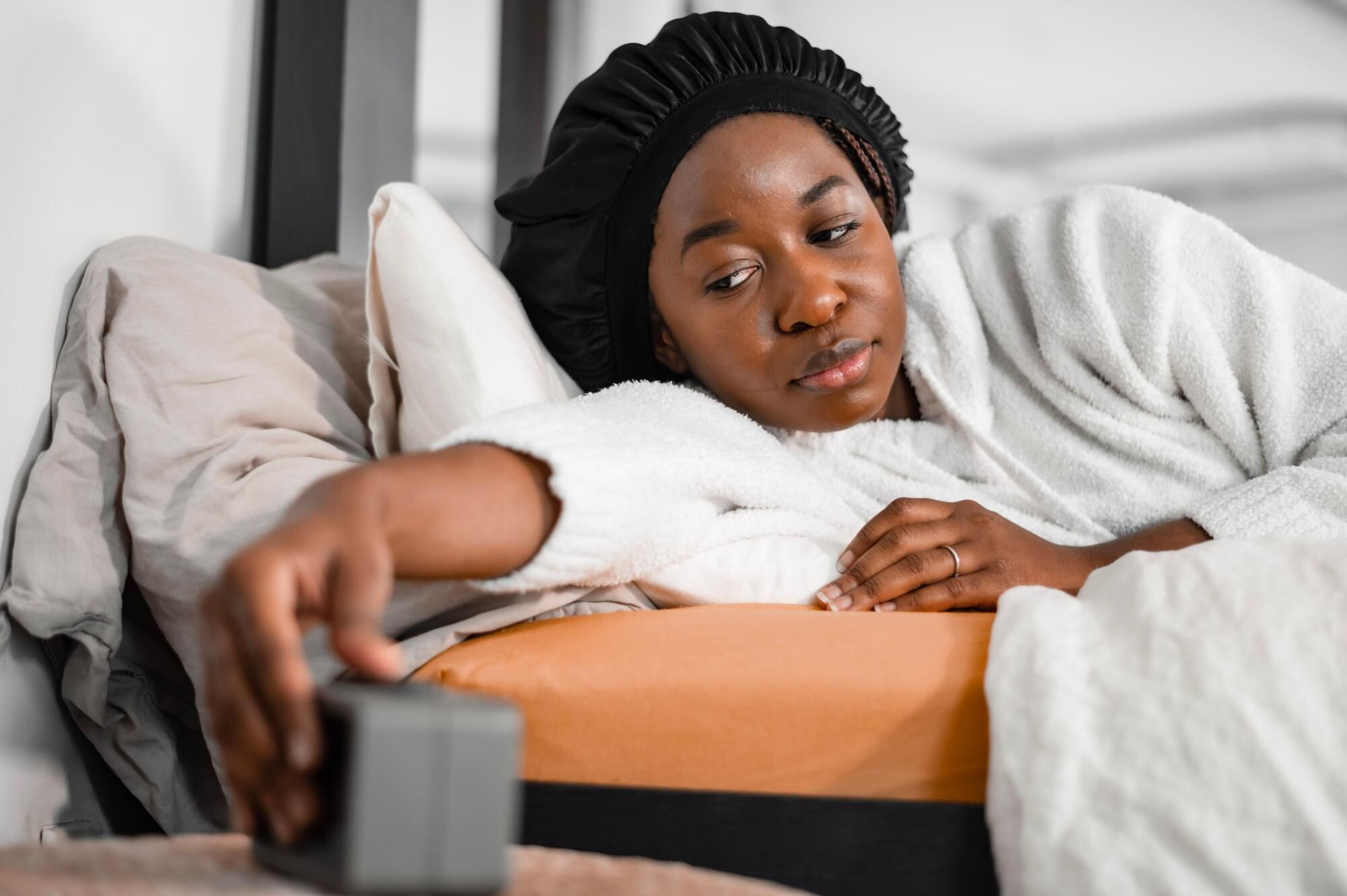
Getting enough rest is a common issue for people who work late shifts. Tips for getting better sleep include eating balanced meals and limiting light exposure.
Why is this such a common issue? Simple: our bodies have an internal clock that signals us to sleep when it’s dark. If you’re working late, you’re asking your body to flip this rhythm, leaving you exhausted even if you sleep “long enough.”
How Does Late Work Impact Your Sleep Cycle?
People who work non-traditional schedules often develop a shift work sleep disorder (SWSD). Some common symptoms of SWSD include:
- Issues with falling/staying asleep
- Feeling sleepy when you’re awake
- Headaches and mood changes
- Difficulty concentrating
If left untreated, SWSD can have long-term effects on your health. This includes being at higher risk for conditions like obesity and heart disease. You’re also more likely to develop mood disorders, even years after retiring.
How to Get Better Sleep After Working Late?
If you’re planning on working the night shift, it’s in your best interest to invest in healthy sleep habits. Here are four night shift tips to get you started:
1. Have a Fixed Sleep Schedule
When it comes to adjusting to a night shift life, consistency is your best friend. Make an effort to go to bed and wake up at the same time every day, even on days off. This will help your body adjust to the “night is day” rhythm.
Try to avoid using any devices for 60-90 minutes before bed. Late screen time can overstimulate your brain and delay your internal clock.
2. Eat Balanced Meals
Having a balanced diet can help stabilize your energy and help you sleep better. That said, avoid having big meals right before bedtime. You’ll also want to cut down on added sugars and saturated fats, which can disrupt your sleep.
Managing your caffeine intake also helps you enter deep sleep stages. Ideally, you should avoid drinking tea, coffee, and energy drinks 4-6 hours before bed.
3. Limit Light Exposure
Light is the most powerful external regulator of your internal clock. Even at night, blue light from screens prevents your brain from producing melatonin, making it harder to fall asleep. Too much blue light can also lead to eye strain.
One way to protect your eyes is to invest in blue light glasses. These can help filter out harmful blue light and support your sleep schedule.
4. Keep the Bedroom Sleep-Friendly
Your bedroom plays a key role in fatigue management. Your goal should be to make it an ideal sleep sanctuary that makes you excited to go to bed after work. Here are some smart investments that can help you make this happen:
- Blackout curtains
- Breathable sheets
- White noise machine
- Programmable thermostat
Getting Enough Rest Is Huge for Your Health
Adjusting to a night shift life can be disorienting, which often leads to not getting enough rest. Use this guide to learn how to cope with late shift work by coming up with a more consistent sleep routine!
Interested in more sleep hygiene tips? Keep checking out our lifestyle content!




You May Also Like